

You use soap every single day. But do you know whether your soap is actually helping your skin — or quietly damaging it? Most people reach for whichever soap is nearby without realizing that choosing the wrong type can strip your skin’s natural barrier, trigger dryness, worsen acne, or even aggravate eczema and psoriasis.
This guide covers every major type of soap, what clinical research says about each one, which skin type it suits, and the exact questions most people ask after picking up a new bar. Whether you’re a first-time buyer, a parent choosing for your child, or someone managing a chronic skin condition — this article has a clear answer for you.
QUICK ANSWER: The best soap is the one that matches your skin type and has a pH closest to your skin’s natural acidity (4.5–5.5). Scroll to your skin type or soap type below to jump straight to your answer.
What Soap Actually Does to Your Skin (The 2-Minute Science)
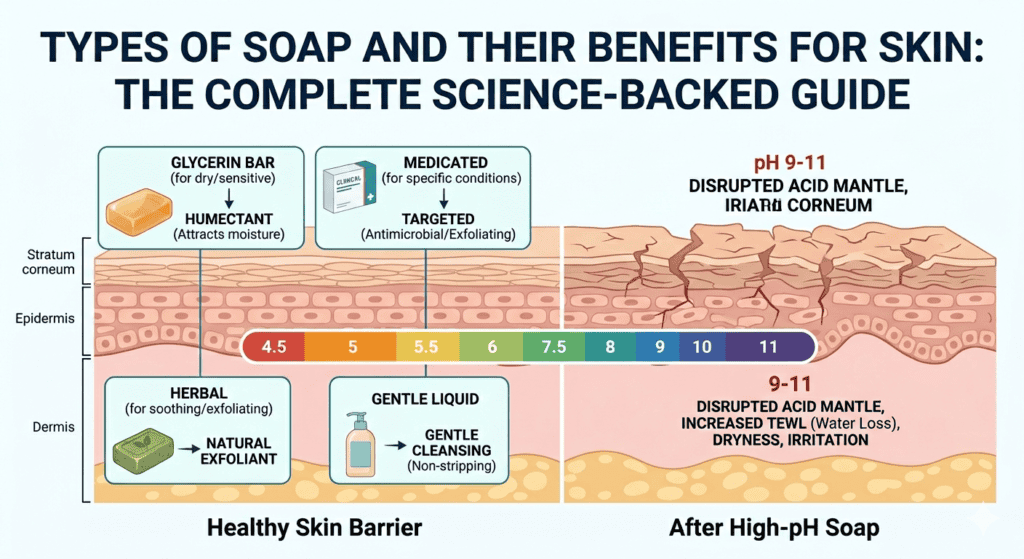
Soap works through a process called saponification — fatty acids from plant or animal oils are combined with an alkaline substance (like lye), creating molecules with one end that bonds to water and another that bonds to oil. That dual action lifts dirt, bacteria, and excess sebum off your skin.
Here’s the problem: your skin’s acid mantle — the thin, slightly acidic film covering its surface — sits at a natural pH of 4.5 to 5.5. Most traditional bar soaps have a pH of 8.5 to 11. That’s up to 6 pH units higher — and because pH is logarithmic, that’s not a small difference. It’s up to 1,000,000 times more alkaline than your skin’s natural state.
A landmark 2022 review published in Molecules (MDPI) by Mijaljica, Spada and Harrison confirmed that high-pH soaps cause three measurable harms: barrier disruption, lipid dissolution (stripping your skin’s natural oils), and pH alteration that can persist for hours. [Source 1]
Know Your Skin Type First (2-Minute Blotting Test)
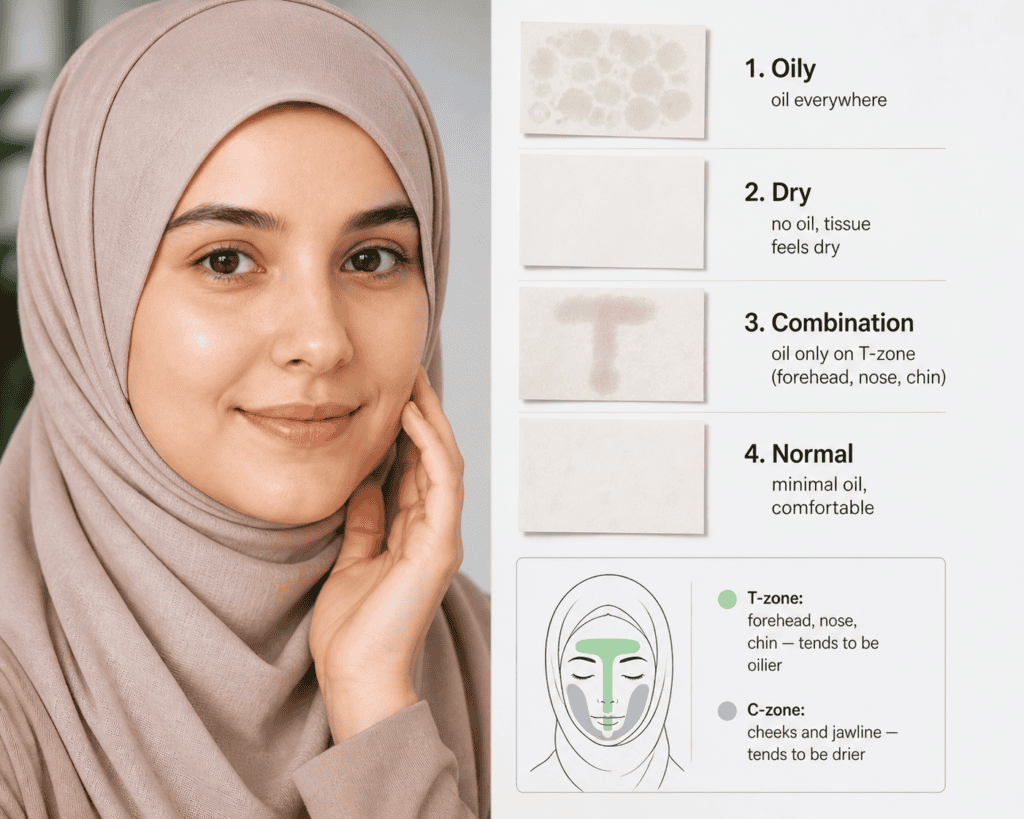
You cannot choose the right soap without knowing your skin type. Here is the fastest method dermatologists use — the blotting paper test:
- Wash your face with plain water only. Pat dry.
- Wait 30 minutes. Do not touch your face or apply anything.
- Press blotting paper on your T-zone (forehead, nose, chin) and cheeks separately.
- Hold the paper up to light and read your result:
- Oil on all areas → Oily skin
- No oil, skin feels tight or flaky → Dry skin
- Oil on T-zone only → Combination skin
- Slight oil, no tightness → Normal skin
- Redness, stinging, or visible reactions to products → Sensitive skin
Skin type changes with age, seasons, hormones, medication, and climate. Re-test every season. A soap that worked for you at 25 may not suit your skin at 40 or during pregnancy.
The 7 Types of Soap — Benefits, Skin Match, and What Research Says
1. Toilet Soap (Daily Hygiene Bar)
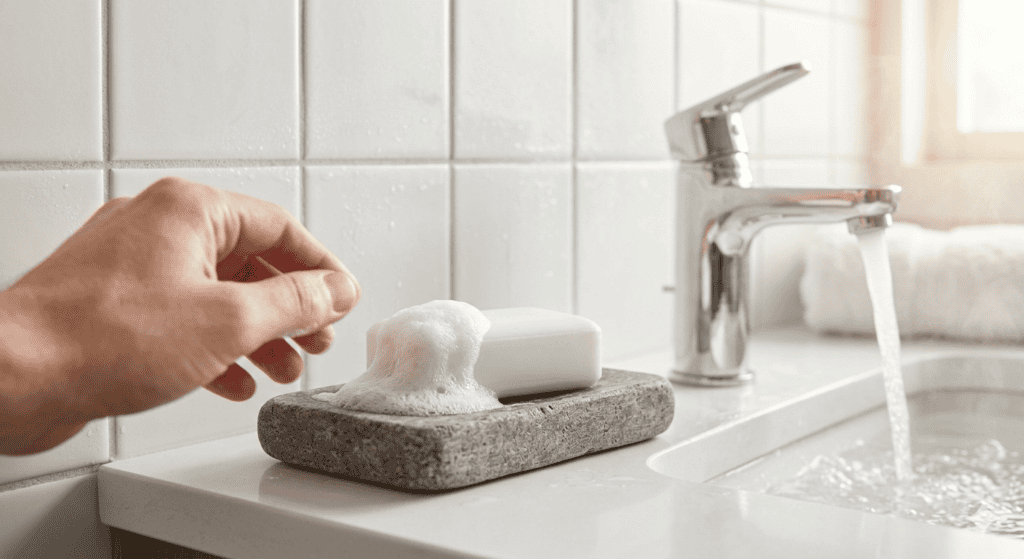
Best for: Normal skin, everyday body and hand washing
Avoid if: You have dry, sensitive, or eczema-prone skin — the high pH (8.5–10) will worsen your condition
Toilet soaps are the most widely used cleansers globally — designed for daily personal hygiene including hand washing, bathing, and general body cleansing. Their cleansing power is measured by Total Fatty Material (TFM) content: toilet soaps contain 60–80% TFM, making them effective but more alkaline than specialized bars.
Most dermatologists reach for Dove Sensitive Skin Bar as their general recommendation. Dr. Maya K. Thosani (Modern Dermatology, Scottsdale, AZ) notes it cleanses without stripping the moisture barrier, thanks to added moisturizing cream. Dr. William Huang of Duke University specifically warns against toilet soaps containing sodium lauryl sulfate (SLS), synthetic fragrances, and parabens — the three most common irritants in budget bars. [Source 11]
COMMON QUESTION: ‘Is bar soap unhygienic because it sits exposed?’ — No. Research confirms bar soaps don’t harbor clinically significant bacteria. Store on a draining soap dish and let it dry between uses and it is completely safe.
⚠️ Ingredient Red Flags in Toilet Soaps: Sodium lauryl sulfate (SLS) · Synthetic fragrance/parfum · Parabens · Formaldehyde-releasing preservatives (DMDM hydantoin) · Artificial dyes
1a. Beauty Soaps / Beauty Bars
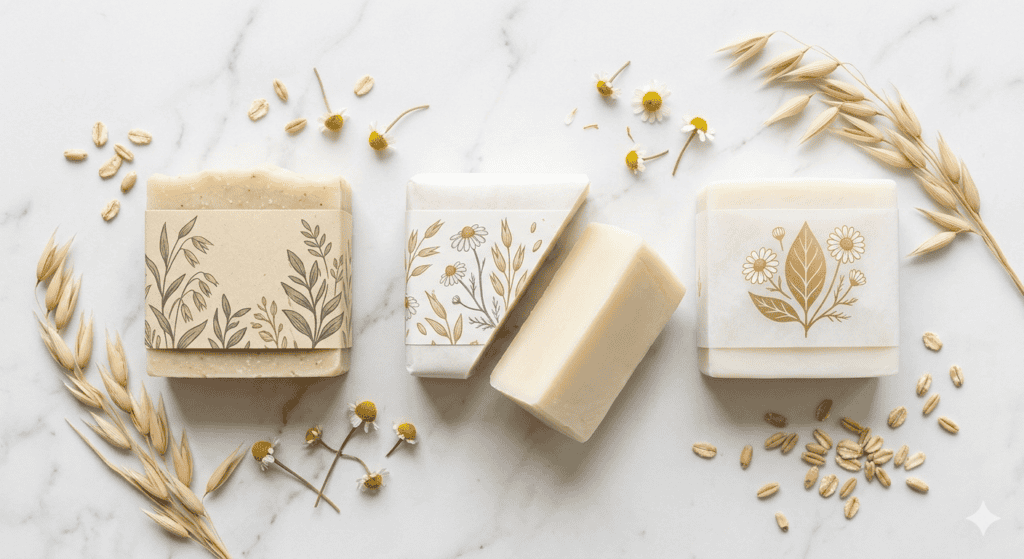
Best for: Acne-prone, sensitive, combination, and normal skin — especially face and body dual-use
Avoid if: You need heavy moisturization — opt for glycerin bar instead
Most commercial beauty bars labeled ‘soap’ are technically syndets — synthetic detergent bars formulated without traditional lye saponification. This distinction matters because syndets maintain a pH of 5.5–7.0, significantly gentler than the 8.5–11 range of traditional soap bars.
A 2024 peer-reviewed comparative study in Pharmaceutical Research (Pawar et al.) confirmed that syndet bars preserve the skin’s acid mantle more effectively than traditional soaps, making them the superior daily-use option for most skin types. [Source 7]
Board-certified dermatologist Dr. Deanne Mraz Robinson recommends CeraVe Hydrating Cleansing Bar as a top choice — noting it boosts the skin’s natural moisture barrier while removing grime. She and Dr. Brendan Camp both enthusiastically endorse Vanicream Cleansing Bar for dry, eczema-prone, and psoriasis-prone skin. [Source 12]
1b. Novelty Soaps (For Children)
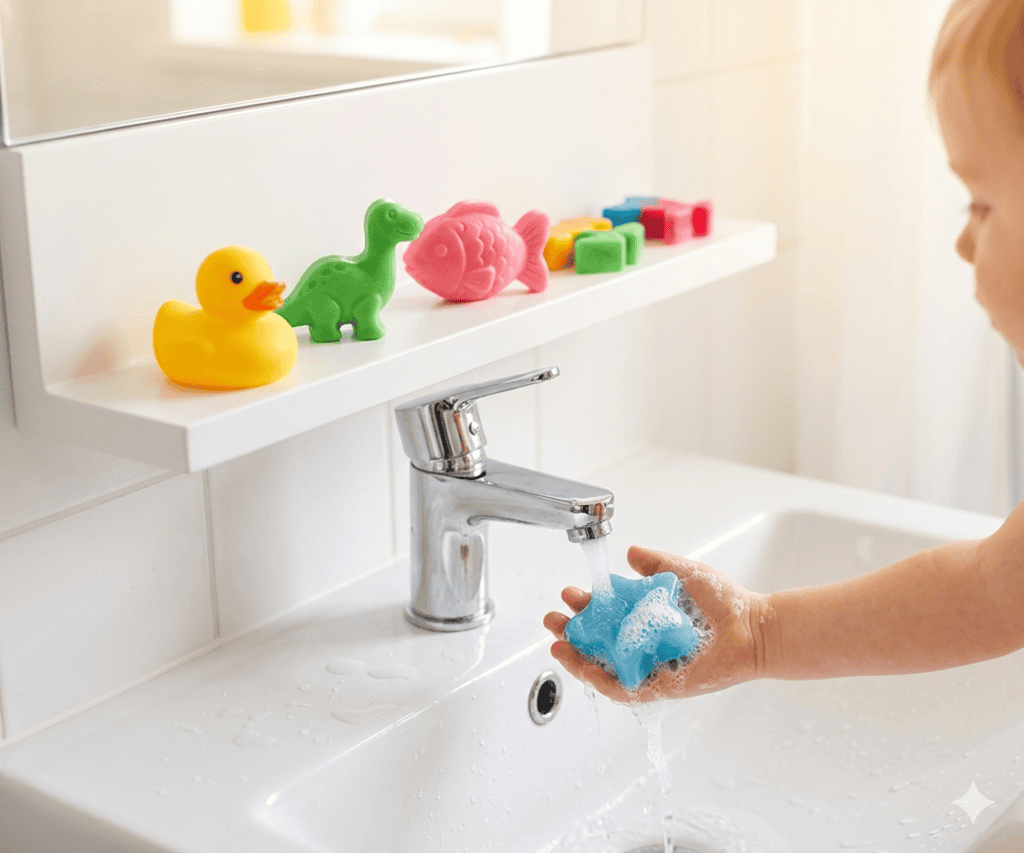
Best for: Encouraging handwashing habits in children aged 3–12
Avoid for: Children under 3 — choose fragrance-free liquid syndet instead
Novelty soaps exist for one primary reason: getting children to want to wash their hands. Shaped like animals, vehicles, and characters, they transform hygiene into play. From a formulation standpoint, most are basic toilet soaps with added colorants and fragrances.
Important for parents: A 2024–2025 study published in a Brazilian pediatric journal found that most bar soaps — including novelty bars — have a pH of 8.01–11.01, while liquid syndets tested at 4.54–8.00, much closer to a child’s ideal skin pH of 5.0–5.5. [Source 8] For children with sensitive skin, choose a fragrance-free, hypoallergenic liquid syndet over novelty bars.
1c. Guest Soaps
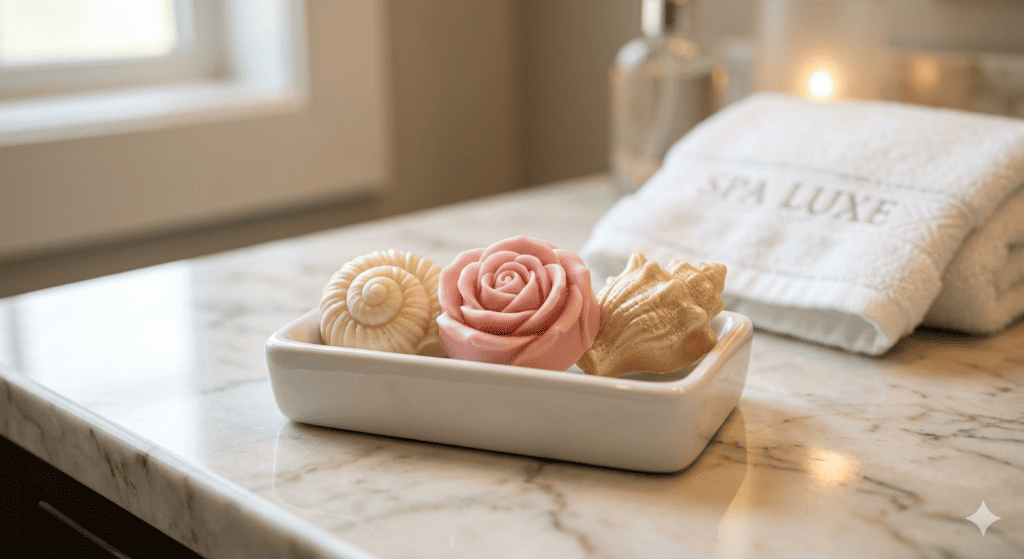
Best for: Occasional use — hotel guests, bathroom decor, gift presentation
Avoid for: Daily use or sensitive-skin individuals — fragrance content can irritate
Guest soaps are small, decorative versions of toilet soaps — crafted primarily for visual appeal rather than therapeutic benefit. You’ll find them in hotel bathrooms, as part of gift sets, or displayed in guest bathrooms at home. Because they’re used infrequently, formula quality matters less — but guests with fragrance allergies or sensitive skin should request an unscented alternative.
1d. Medicated Soaps — When They Help and When They Harm
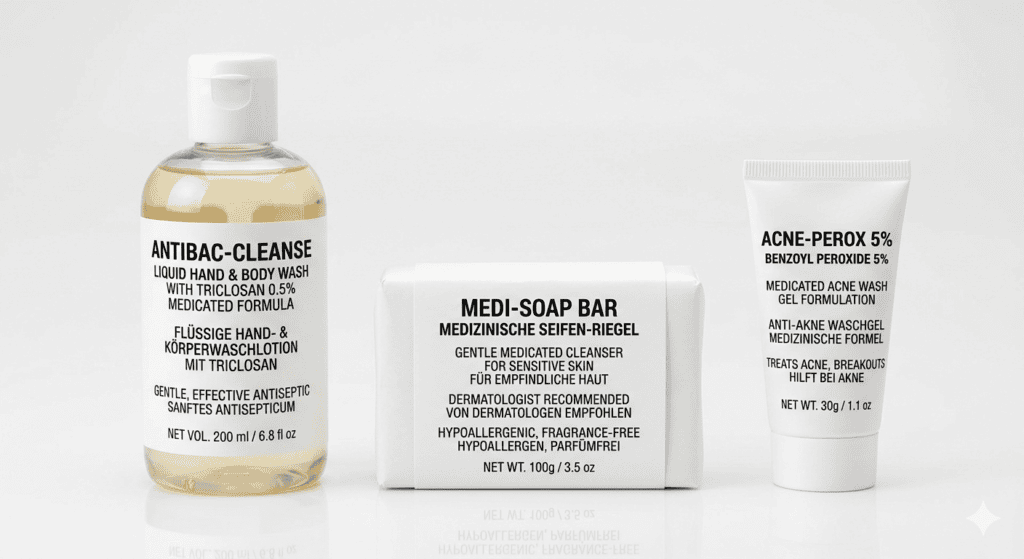
Best for: Specific diagnosed conditions only: acne, hidradenitis suppurativa (HS), fungal infections, surgical site prep — under dermatologist guidance
AVOID for: Daily general use, healthy skin, and children — research shows significant risks with routine use
Medicated soaps contain active pharmaceutical or antimicrobial ingredients including chlorhexidine, benzoyl peroxide, triclosan, salicylic acid, and tolnaftate — each targeting specific skin problems.
The Proven Benefits
A peer-reviewed study in the National Center for Biotechnology Information (PMC3224419) tested 16 medicated soap brands and found that the majority demonstrated satisfactory antibacterial activity against Staphylococcus aureus. [Source 9]
Cleveland Clinic dermatologist Dr. Michelle Kerns recommends chlorhexidine-based washes like Hibiclens for hidradenitis suppurativa, stating: “These products decrease bacterial load, but are gentle enough for people with HS. They’re used in preparation for surgery — less likely to cause irritation.” [Source 13]
The Documented Risks — What Most People Don’t Know
“Medicated soaps are recommended only for a controlled, short period — not for daily use. Inflammatory conditions like seborrheic dermatitis and acne can be aggravated by medicated soaps.” — Dr. Folakemi Cole-Adeife, Consultant Dermatologist, Lagos State University Teaching Hospital (PUNCH HealthWise interview, 2023) [Source 14]
A 2018 peer-reviewed study in PLOS ONE (Charles Nunn, Duke University) found that regular antibacterial soap use significantly alters the skin microbiome — the ecosystem of healthy bacteria your skin depends on for immune defense and pH regulation. [Source 10] The FDA has also formally stated that antibacterial soap is not more effective than plain soap and water for general use, and flagged certain antibacterial ingredients for potential hormone disruption.
- Overuse can strip beneficial skin bacteria, increasing vulnerability to opportunistic infections
- Bacteria can develop resistance to antimicrobial agents — making future infections harder to treat
- Can trigger or worsen seborrheic dermatitis, acne, and inflammatory skin conditions
The Fix: Use medicated soaps only when prescribed for a specific diagnosed condition, for a defined short period, then return to a gentle pH-balanced cleanser.
2. Non-Toilet / Industrial Soaps
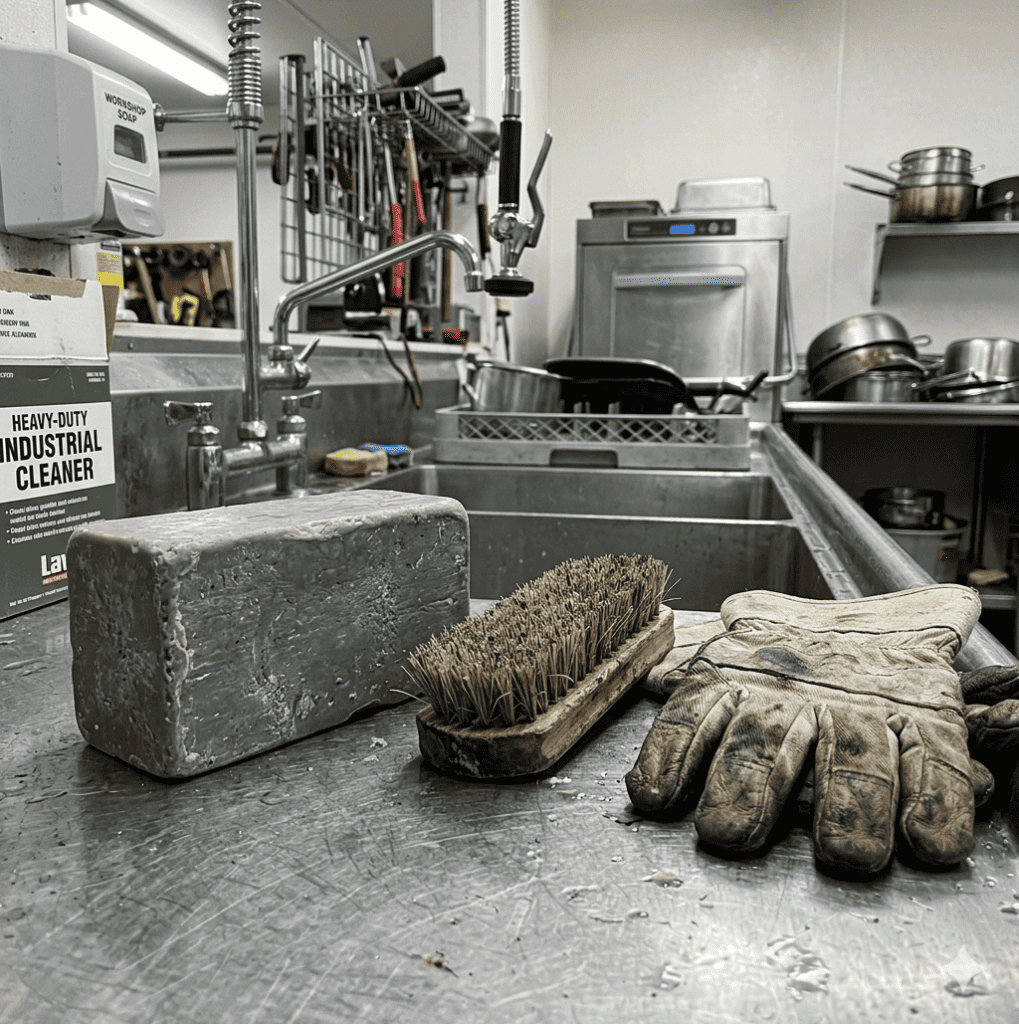
For: Industrial cleaning, mechanical grease removal, household heavy-duty washing
Not for: Skin use — these soaps are made from lithium salts of fatty acids at very high pH levels and will severely damage skin with repeated contact
Non-toilet soaps are industrial-grade cleaners designed to cut through heavy grease, mechanical oils, and stubborn industrial stains. They also form the base of many lubricating greases. They are not safe for regular skin contact. Prolonged exposure can cause chemical burns, severe barrier damage, and contact dermatitis. Always wear protective gloves when handling industrial soaps.
3. Glycerin Soap — The Dermatologist’s Quiet Favorite
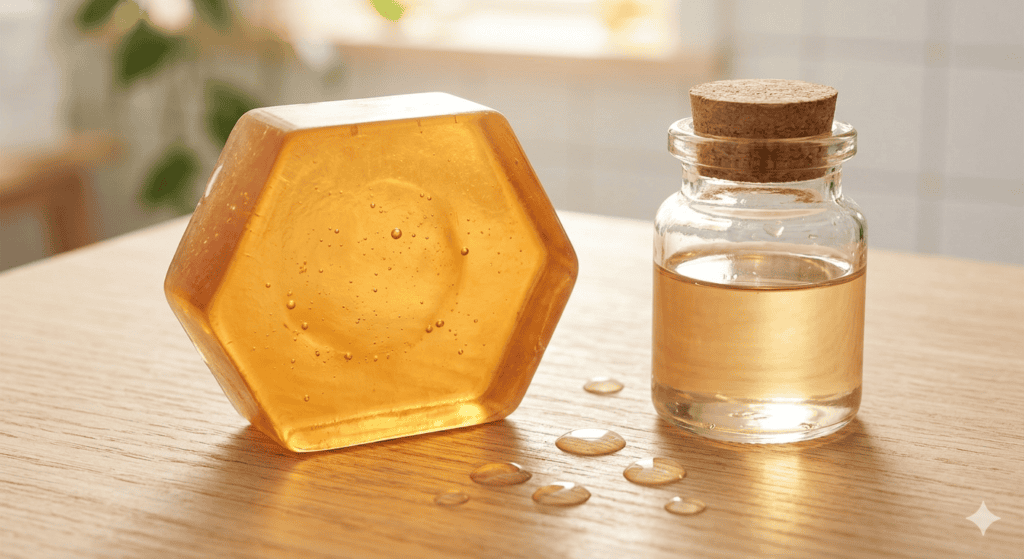
Best for: Dry skin, sensitive skin, eczema, psoriasis, winter skincare, cracked or chapped skin
Avoid if: You have very oily skin — glycerin’s moisture-attracting properties can feel heavy
Glycerin (glycerol) is a natural byproduct of soap-making. Most commercial soap manufacturers extract and sell it separately to the cosmetics industry. Glycerin soaps retain — or add back — this ingredient. As a humectant, glycerin draws moisture from the air and binds it to the skin, keeping it hydrated for hours after washing.
What Published Research Confirms
A study published in the International Journal of Molecular Sciences (2021) by Dr. Wendy Bollag (Medical College of Georgia) found that glycerol — applied both topically and orally — significantly reduced the classic scaly, raised, itchy patches of psoriasis in a controlled model. The research showed glycerol helps skin cells mature properly through four critical developmental stages. [Source 3]
A placebo-controlled, double-blind, randomized study (Breternitz et al., 2008, Skin Pharmacology and Physiology) confirmed measurable improvements in eczematous skin with glycerol-based emollients — including improved skin barrier function and reduced clinical severity in atopic dermatitis patients. [Source 4]
Real Patient Voice: “I have been treating the psoriasis on my hands with glycerin soap to keep them moisturized — it works.” — Verified member, MyPsoriasisTeam (national psoriasis patient community) [Source 15]
Expert View: Dr. Tanya Kormeili, board-certified dermatologist and clinical professor at UCLA, confirmed glycerin helps wound healing, dry or cracked skin, contact dermatitis, eczema, and psoriasis — while noting more large-scale clinical trials are still in progress. [Source 5]
Honest Cons of Glycerin Soap
- Can feel slightly sticky in very humid climates — glycerin continues drawing moisture from air after rinsing
- Dissolves faster than regular bars — always use a draining soap dish
- Many ‘glycerin soaps’ contain very little actual glycerin — check that it appears in the top 5 ingredients on the label
Quick Pick: For eczema or psoriasis: Choose a pure glycerin bar with no added fragrances or colorants. Pears Transparent Soap and similar clear bars are a good starting point.
4. Transparent / Clear Soap
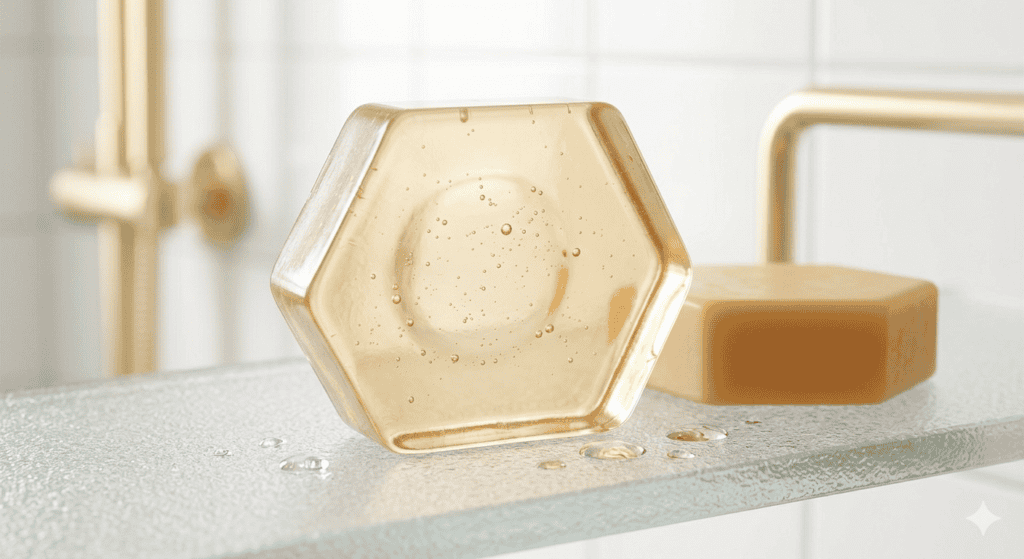
Best for: Oily skin, acne-prone skin, combination skin (T-zone cleansing)
Avoid if: You have dry, mature, or sensitive skin — the lower lipid content can feel stripping
Transparent soaps get their distinctive glassy appearance through a specialized process: hot alcohol is used during saponification, and undissolved particles are removed through distillation. This produces a smoother, more refined bar — but also removes the excess fats that give opaque soaps their moisturizing quality (called ‘superfatting’).
Because transparent soaps have lower lipid content, they cleanse thoroughly without leaving an oily film — ideal for skin that already produces excess sebum. Their pore-clearing effectiveness makes them a popular choice for acne management.
5. Liquid Soap, Body Wash, and Hand Wash
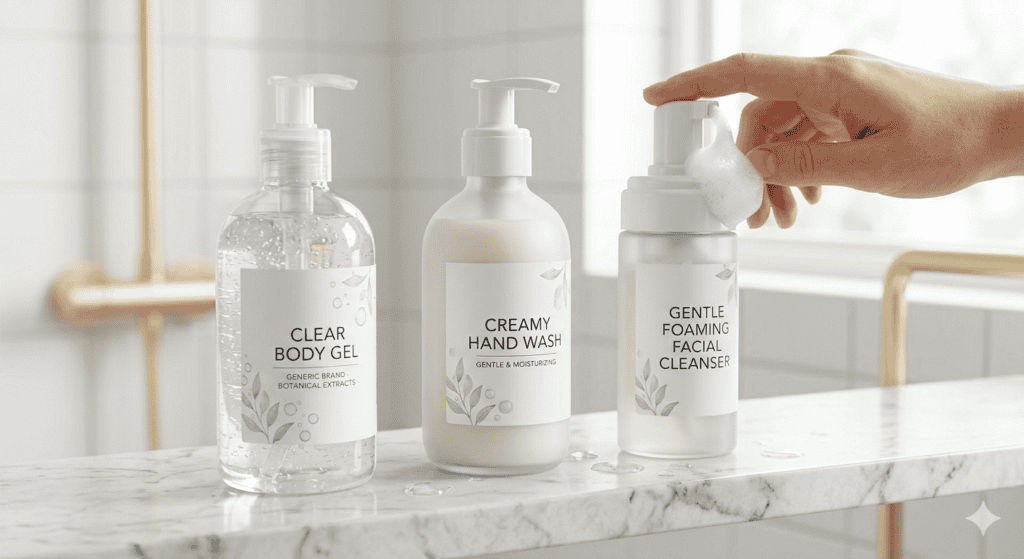
Best for: Sensitive skin, eczema, frequent handwashing, infant skin, shared bathroom environments
Avoid: Dishwashing liquid on skin — the formula is designed for grease removal, not skin safety, and will aggressively disrupt your acid mantle
Liquid body washes primarily use non-soap surfactants, which naturally have lower pH values than bar soap — making them more skin-barrier friendly. A body wash with ceramides, hyaluronic acid, and glycerin (like CeraVe Hydrating Body Wash) is often considered the gold standard for compromised, sensitive, or eczema-prone skin by dermatologists. [Source 2]
Dr. Deanne Mraz Robinson offers an important environmental point: “Bar soaps are better for the environment — lower impact from production to packaging, and no plastic containers or preservatives required.” [Source 12] For eco-conscious readers, a well-formulated bar syndet is both skin-safe and greener than a plastic pump bottle.
COMMON QUESTION: ‘Is liquid soap more hygienic than bar soap?’ — Both are equally effective at removing pathogens. The no-contact dispensing of liquid soap has a slight advantage in shared bathrooms, but a properly dried bar soap is not a bacterial risk.
6. Herbal and Botanical Soaps
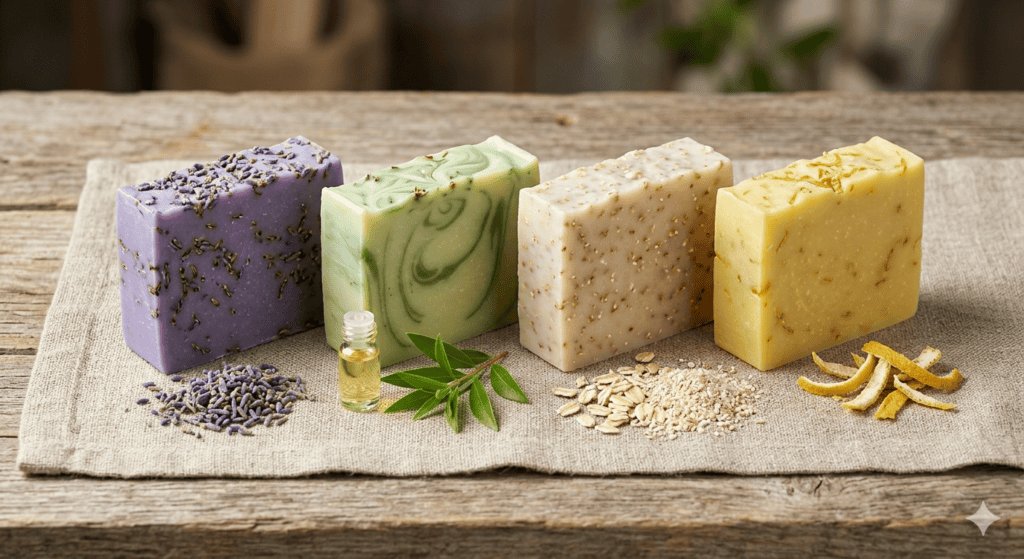
Best for: Condition-targeted cleansing — see table below for specific botanical matches
Avoid if: You have known essential oil allergies — always patch test before full use
Herbal and botanical soaps use plant extracts, essential oils, and natural ingredients as active components — going beyond basic cleansing to deliver targeted skin benefits. Each botanical ingredient brings a specific benefit supported by scientific literature.
| Botanical | Key Benefit | Best Skin Type | Con / Caution | Quick Pick |
|---|---|---|---|---|
| Tea Tree Oil | Antimicrobial, anti-inflammatory, fights acne bacteria | Oily, acne-prone | Can cause allergic dermatitis in some — patch test first | For acne-prone skin |
| Aloe Vera | Calming, anti-inflammatory, speeds wound healing | Sensitive, sunburned, irritated | Very mild alone — combine with other actives for best results | For sunburn / redness |
| Colloidal Oatmeal | Soothes itch, repairs skin barrier, anti-inflammatory | Eczema, dry, sensitive skin | Can feel heavy on oily skin | For eczema flares |
| Lavender | Antimicrobial, calming, reduces mild redness | Normal, sensitive skin | Strong essential oil — dilute properly, avoid on infants | For stress-related skin |
| Lemongrass | Antibacterial, astringent, tightens pores | Oily, combination skin | Photosensitizing — avoid sun exposure after use | For oily/large pores |
| Seaweed / Kelp | Rich in minerals, deeply hydrating, detoxifying | Dry, mature, dehydrated skin | Strong marine scent may not suit everyone | For mature/dry skin |
7. Perfumed and Aromatic Soaps
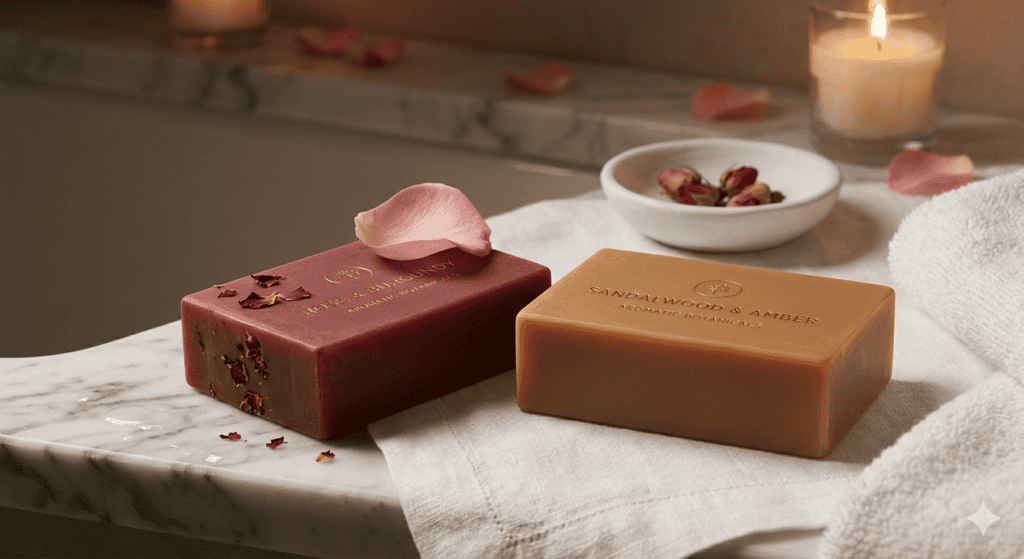
Best for: Normal skin with no sensitivity — occasional or spa use, aromatherapy mood experience
Avoid if: Sensitive skin, eczema, rosacea, known fragrance allergies, children under 3, or daily full-body use
Perfumed soaps contain concentrated synthetic or natural fragrances and are primarily chosen for the sensory experience — scent, lather texture, and the relaxation of aromatherapy. However, fragrance is one of the most common triggers for allergic contact dermatitis. The American Academy of Dermatology identifies fragrance as a top cause of cosmetic-related skin reactions in adults.
Dr. William Huang of Duke University specifically advises avoiding fragrances in soaps if you have eczema, dry skin, or contact dermatitis. [Source 11] The risk increases with more concentrated formulations — a heavily perfumed bar used daily can gradually sensitize even skin that has tolerated fragrance before.
PRACTICAL TIP: If you love scented soaps but have sensitive skin, compromise: use a fragrance-free functional cleanser for your face and body, and keep a small luxury scented bar for hand-washing only — minimal surface area, infrequent contact.
Master Decision Table: Which Soap Is Right for You?
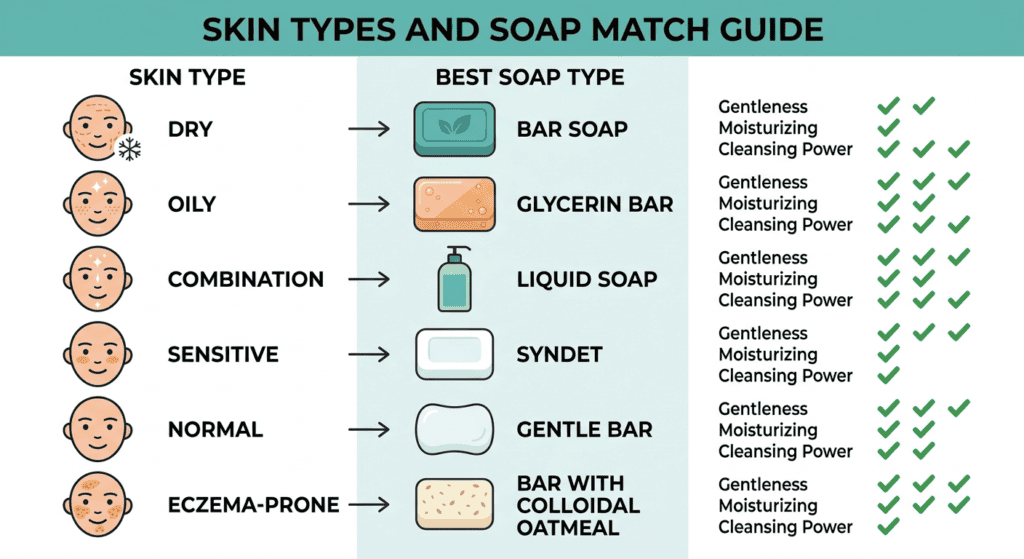
| Soap Type | Best Skin Type | pH Range | Key Benefit | Main Con | Verdict |
|---|---|---|---|---|---|
| Glycerin Soap | Dry, Sensitive, Eczema | 5.5–7.0 | Deep hydration, barrier repair | Dissolves fast | ★★★★★ |
| Syndet / Beauty Bar | All types esp. sensitive | 5.5–7.0 | pH-balanced, gentle daily use | Less antibacterial | ★★★★★ |
| Transparent Soap | Oily, Acne-prone | 8.0–9.5 | Thorough cleanse, pore-clearing | Low moisture | ★★★★☆ |
| Liquid Body Wash | Sensitive, Eczema | 4.5–6.5 | Low pH, surfactant-gentle | Plastic waste | ★★★★★ |
| Herbal / Botanical | Condition-specific | 5.0–7.0 | Targeted active ingredients | Patch test needed | ★★★★☆ |
| Medicated Soap | Diagnosed conditions only | Varies | Antibacterial, antifungal | Disrupts microbiome | ★★★☆☆ |
| Perfumed Soap | Normal skin only | 8.0–10.0 | Sensory/aromatherapy | Fragrance irritation | ★★★☆☆ |
| Toilet Soap (Standard) | Normal skin, body wash | 8.5–10.0 | General daily hygiene | High pH, drying | ★★★☆☆ |
Not sure which specific brand to buy? We’ve reviewed and ranked the Top 45 Daily-Use Soaps for every skin type and budget — with verified ingredients and dermatologist notes. Read: Top 45 Daily-Use Different Soaps for All
Ingredients to Avoid in Any Soap (Red Flag Checklist)
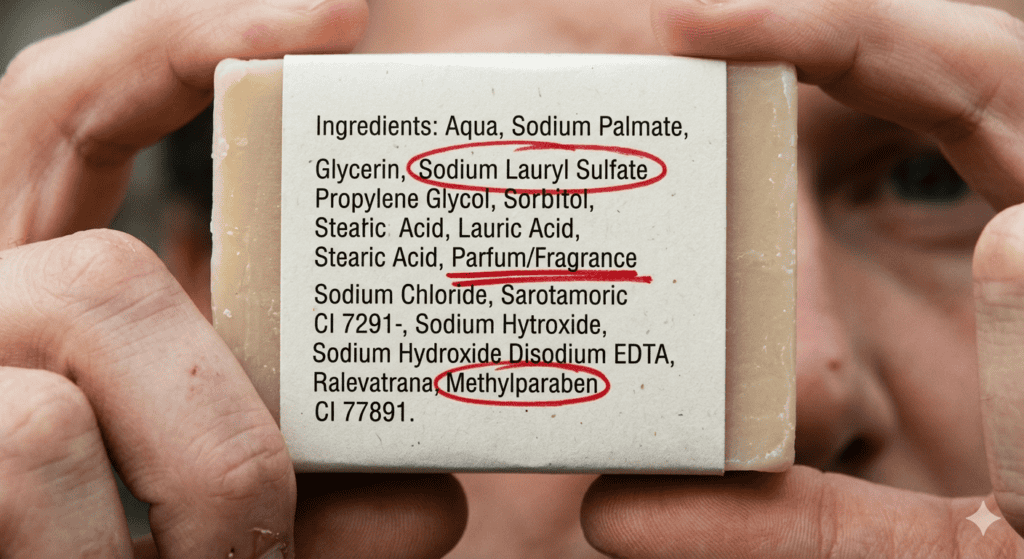
- Sodium Lauryl Sulfate (SLS) — aggressive surfactant that strips skin’s natural oils; worsens eczema and dry skin
- Synthetic Fragrances / Parfum — top cosmetic allergen; a single ‘fragrance’ label can hide 50–200 individual chemicals
- Parabens (methylparaben, propylparaben, butylparaben) — preservatives with potential hormone-disrupting effects per FDA research
- Triclosan — antibacterial compound banned from rinse-off consumer products by FDA in 2016; still present in some products globally
- Formaldehyde-releasing preservatives — DMDM hydantoin, quaternium-15, imidazolidinyl urea — may cause allergic sensitization
- High-concentration alcohol (ethanol) near the top of the ingredient list — strips the acid mantle and impairs skin barrier
- Artificial dyes (FD&C Red 40, Yellow 5, etc.) — linked to allergic reactions, especially in children and sensitive skin
- PEG compounds in high concentrations — enhance penetration of other ingredients including potential irritants
Frequently Asked Questions
Which type of soap is best for sensitive skin?
A fragrance-free syndet bar or glycerin-based bar with a pH of 5.5–7.0 is best for sensitive skin. Look for products specifically labeled ‘syndet’, ‘pH-balanced’, or ‘for sensitive skin’ with ceramides, glycerin, or colloidal oatmeal. Dermatologists most frequently recommend Vanicream Cleansing Bar, CeraVe Hydrating Cleansing Bar, and Dove Sensitive Skin Bar as starting points. Avoid all soaps containing fragrances, dyes, and SLS.
Is antibacterial soap better than regular soap?
No — the FDA has formally confirmed that antibacterial soap is not more effective than plain soap and water for general hygiene. For the average healthy person, a gentle pH-balanced cleanser + proper handwashing technique (20 seconds minimum) offers the same protection without the risks of microbiome disruption and antibiotic resistance. Reserve antibacterial soaps for specific medical conditions and short durations only.
Can soap damage your skin barrier?
Yes, especially high-pH traditional soaps. A 2025 double-blind study on 41 volunteers confirmed that both natural and commercial soaps caused a significant rise in skin pH that persisted for up to 30 minutes — associated with disruption of the acid mantle. Over time, repeated barrier disruption leads to chronic dryness, itching, increased sensitivity, and higher risk of infection. The solution: switch to a pH-balanced syndet or glycerin bar.
What is glycerin soap good for?
Glycerin soap is best for dry skin, eczema, psoriasis, cracked or chapped skin, and sensitive skin that reacts to standard soaps. Published research confirms glycerin (glycerol) improves skin cell maturation, strengthens barrier function, and calms inflammation in psoriasis. It’s one of the few soap ingredients with multiple peer-reviewed clinical studies supporting its skin benefits.
Should I use bar soap or liquid soap?
It depends on your skin type and environmental priorities. Liquid soaps with non-soap surfactants generally have lower pH values and are gentler for sensitive and eczema-prone skin. Bar soaps — especially syndet bars — are better for the environment and equally effective for normal skin. If you use a bar soap, choose a syndet bar rather than traditional lye-based soap to protect your skin barrier.
Why does my skin feel tight after washing?
Tightness after washing is a classic signal that your soap is too alkaline for your skin type, has stripped your natural oils with SLS, or contains fragrances that have irritated your acid mantle. Switch to a pH-balanced cleanser (syndet or glycerin bar) and the tightness should resolve within 5–7 days of consistent use. If it persists, see a dermatologist — it may indicate a compromised skin barrier requiring additional treatment.
Is soap safe for babies and young children?
Most bar soaps are not ideal for children under 3 — their skin barrier is thinner and its pH regulation less developed. Research shows most bar soaps test at pH 8–11, far above the ideal pH of 5.0–5.5 for children’s skin. Choose a fragrance-free, hypoallergenic liquid syndet labeled for infant or sensitive skin. For children over 3, novelty syndet bars are fine for encouraging handwashing.
How long does bar soap last and can it expire?
Most bar soaps last 1–3 years. After expiration, natural fats in soap can go rancid — losing effectiveness and potentially causing skin irritation. Check the PAO symbol (open jar icon with a number, e.g., ’12M’ = 12 months after opening) or batch code. Store soap in a cool, dry place on a draining dish to extend its life. Liquid soaps with preservatives generally last slightly longer.
Real Cases: What Happens When People Use the Wrong Soap
Hidradenitis Suppurativa Patient: “I can control my flare-ups daily with chlorhexidine wash 5% — apply directly to sores for 10 minutes, then wash off. It dries them up very quickly.” This illustrates that medicated soaps work powerfully for specific diagnosed conditions under medical supervision — and would be inappropriate for healthy skin. (myHSteam, 2025) [Source 16]
Psoriasis Patient Switch: “I switched to a plain glycerin soap and noticed a real reduction in flakiness on my hands within two weeks.” This aligns directly with published 2021 research from the Medical College of Georgia confirming glycerol’s role in proper skin cell maturation and barrier repair. (MyPsoriasisTeam, verified community) [Source 15]
Fragrance Sensitivity: “I had been using a beautifully scented luxury bar for years — then suddenly developed a red, itchy rash on my hands. My dermatologist identified fragrance allergy. I switched to Vanicream Fragrance-Free Bar and the rash cleared in 10 days.” (NBC Select reader testimonial, 2026) — This is contact dermatitis sensitization: fragrance tolerance can develop and then disappear without warning.
5 Rules for Choosing the Right Soap — Final Checklist
- Know your skin type — dry, oily, combination, sensitive, or normal. Use the blotting paper test above. Never choose a soap based on marketing claims alone.
- Prioritize pH balance — aim for syndet bars, pH-balanced cleansers, or glycerin bars (pH 5.5–7.0). Avoid traditional high-alkaline bars for daily face use.
- Read ingredients, not labels — ‘natural’, ‘gentle’, ‘dermatologist-tested’, and ‘sensitive’ are not regulated terms. Check the actual ingredient list for SLS, parfum, and parabens.
- Use medicated soaps only when needed — for specific diagnosed conditions, for the period prescribed, under dermatologist guidance. Not for everyday healthy skin.
- Reassess every season — skin type changes with age, climate, hormones, and medication. Your ideal soap at 20 may not be ideal at 45.
Want to go deeper into specific products? See our expert-reviewed list of the Top 45 Daily-Use Soaps across all categories, skin types, and budgets.
Sources & Reference Links
All research cited in this article is peer-reviewed, indexed in PubMed/PMC or major dermatology journals, or published by board-certified dermatologists in credible media. Click each link to read the original source.
[1] Mijaljica D., Spada F., Harrison I.P. (2022). Skin Cleansing without or with Compromise: Soaps and Syndets. Molecules, 27(6), 2010. https://doi.org/10.3390/molecules27062010 | PMC8954092
[2] DermOnDemand. (2025). Best Body Wash Recommended by Dermatologists. https://dermondemand.com/blog/body-wash-recommended-by-dermatologists/
[3] Bollag W.B. et al. (2021). Glycerol Improves Skin Lesion Development in the Imiquimod Mouse Model of Psoriasis. International Journal of Molecular Sciences, 22(16), 8749. https://doi.org/10.3390/ijms22168749 | PMC8395744
[4] Breternitz M. et al. (2008). Placebo-Controlled, Double-Blind, Randomized Study of a Glycerol-Based Emollient on Eczematous Skin in Atopic Dermatitis. Skin Pharmacology and Physiology, 21, 39–45.
[5] Kormeili T., Healthline. Glycerin for Psoriasis: Does It Work? https://www.healthline.com/health/psoriasis/glycerin-for-psoriasis
[6] MDPI Cosmetics (2025). Evaluating Skin Acid-Base Balance After Application of Cold-Processed and Hot-Processed Natural Soaps. https://www.mdpi.com/2079-9284/12/3/120
[7] Pawar M. et al. (2024). A Comparative Study of Soap and Syndet Bars: Formulation, Benefits and Efficacy in Skin Care. Pharmaceutical Research, 8(3), 000320. https://medwinpublishers.com/OAJPR/a-comparative-study-of-soap-and-syndet-bars
[8] Children’s soap pH analysis (2024–2025). PMC12704940. https://www.ncbi.nlm.nih.gov/pmc/articles/PMC12704940/
[9] Antimicrobial Activity of Medicated Soaps in Tanzania. PMC3224419. https://pmc.ncbi.nlm.nih.gov/articles/PMC3224419/
[10] Nunn C. et al. (2018). Antibacterial soap use impacts skin microbial communities in rural Madagascar. PLOS ONE. Duke University.
[11] Dr. William Huang, Duke University; Dr. Maya K. Thosani, Modern Dermatology. NBC Select, January 2026. https://www.nbcnews.com/select/shopping/best-bar-soaps-rcna179971
[12] Dr. Deanne Mraz Robinson, Dr. Brendan Camp. Yahoo Shopping / HuffPost, March 2026. https://shopping.yahoo.com/beauty/skincare/articles/bar-soaps-superior-bodywash-according-100002691.html
[13] Dr. Michelle Kerns, Cleveland Clinic. Best Soap for Hidradenitis Suppurativa. February 2025. https://health.clevelandclinic.org/best-soap-for-hidradenitis-suppurativa
[14] Dr. Folakemi Cole-Adeife, Lagos State University Teaching Hospital. Interview: PUNCH HealthWise, April 2023. https://healthwise.punchng.com/why-medicated-antiseptic-liquid-soaps-are-bad-for-skin-dermatologist/
[15] MyPsoriasisTeam. Patient testimonials on glycerin soap for psoriasis (verified patient community). https://www.mypsoriasisteam.com/resources/tips-for-using-glycerin-for-psoriasis-is-it-safe-and-effective
[16] myHSteam. Best Soaps for Hidradenitis Suppurativa. March 2026. https://www.myhsteam.com/resources/best-soaps-for-hidradenitis-suppurativa-your-guide
[17] American Academy of Dermatology (AAD). (2024). 10 Skin Care Habits That Can Worsen Acne. https://www.aad.org/public/diseases/acne/skin-care/habits-stop
[18] Kanyama T. et al. (2025). Natural soap is clinically effective and less toxic than synthetic detergents. PLOS ONE. DOI: 10.1371/journal.pone.0324842 | PMC12176228
Medical Disclaimer: This article is for educational purposes only and does not constitute medical advice. Always consult a board-certified dermatologist for personalized skin care guidance and treatment of any skin condition.


12 thoughts on “Types of Soap and Their Benefits for Skin: The Complete Science-Backed Guide”